
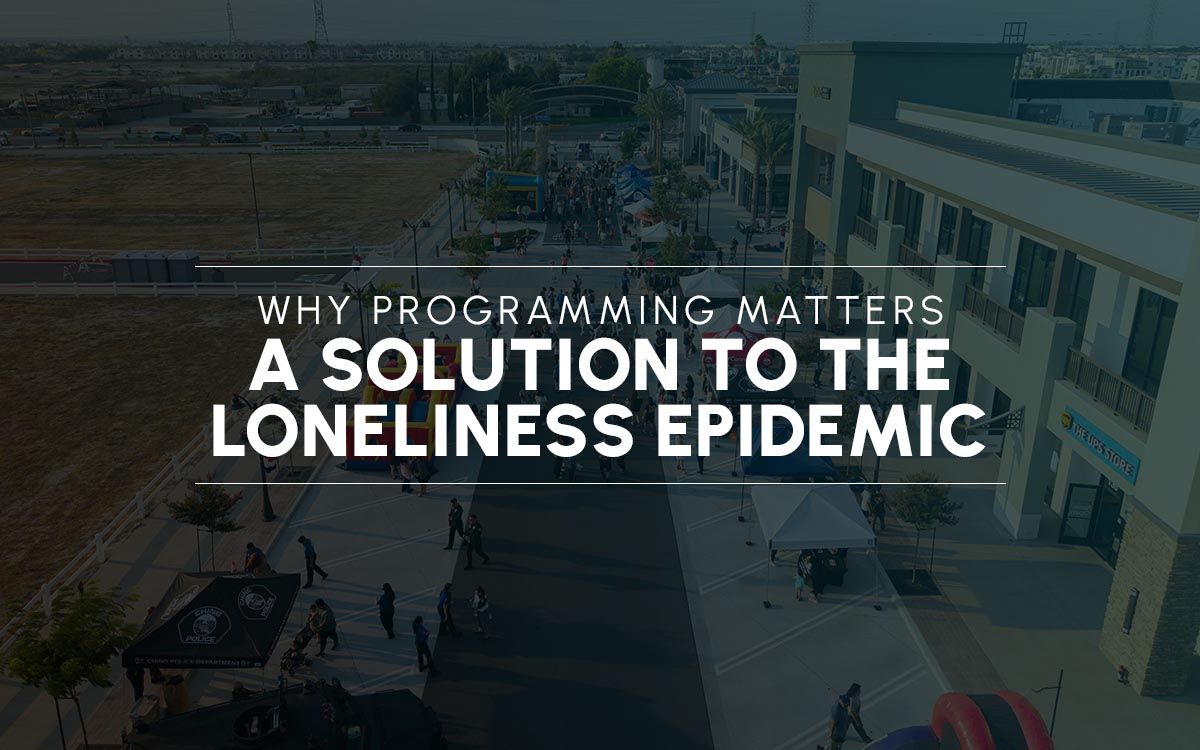
The U.S. Surgeon General calls loneliness a public health epidemic linked to heart disease, depression, and early mortality. Despite being more digitally “connected” than ever, people report feeling more isolated. But here’s what research also shows: meaningful social connection is one of the most powerful determinants of health and happiness. The question isn’t whether we need community: it’s how we create it.
Suburban design hasn’t helped. Sprawling layouts require cars for everything. Homes face inward, prioritizing privacy over interaction.
At Lewis, we believe design can foster connection, but it takes more than architecture. Walkable paths, courtyards, clubhouses, and gathering spaces create opportunities but they don’t guarantee relationships. A beautiful pool deck sits empty without someone to activate it. A state-of-the-art fitness center feels lonely without group classes. Amenities need intentional programming to transform them into community. That’s why we invest in programming cultivated through consistent, thoughtful effort that combats isolation.
For example, Kimberlee Benton exemplifies this approach. As a Lifestyle Director at Lewis, she doesn’t just plan happy hours, but she aims to notice who’s new and might feel disconnected. She creates programming for different interests and schedules: morning yoga for early risers, book clubs for introverts, game nights for families, volunteer opportunities for those seeking purpose. She introduces residents to each other intentionally, builds traditions like annual barbecues and holiday contests that give people shared experiences and reasons to show up. Her work directly counters loneliness by creating conditions for belonging.
The impact is measurable. Communities with active programming see residents who stay longer, refer friends, and report higher satisfaction. But the real value goes beyond retention metrics. When residents talk about their community, they mention the people they’ve met and the memories they’ve made. Considering loneliness rivals smoking as a health risk, these connections matter. Programming isn’t just amenity management but public health work. In the face of a loneliness epidemic, community isn’t a nice-to-have amenity but an essential. And programming isn’t just about events but about building the connections.

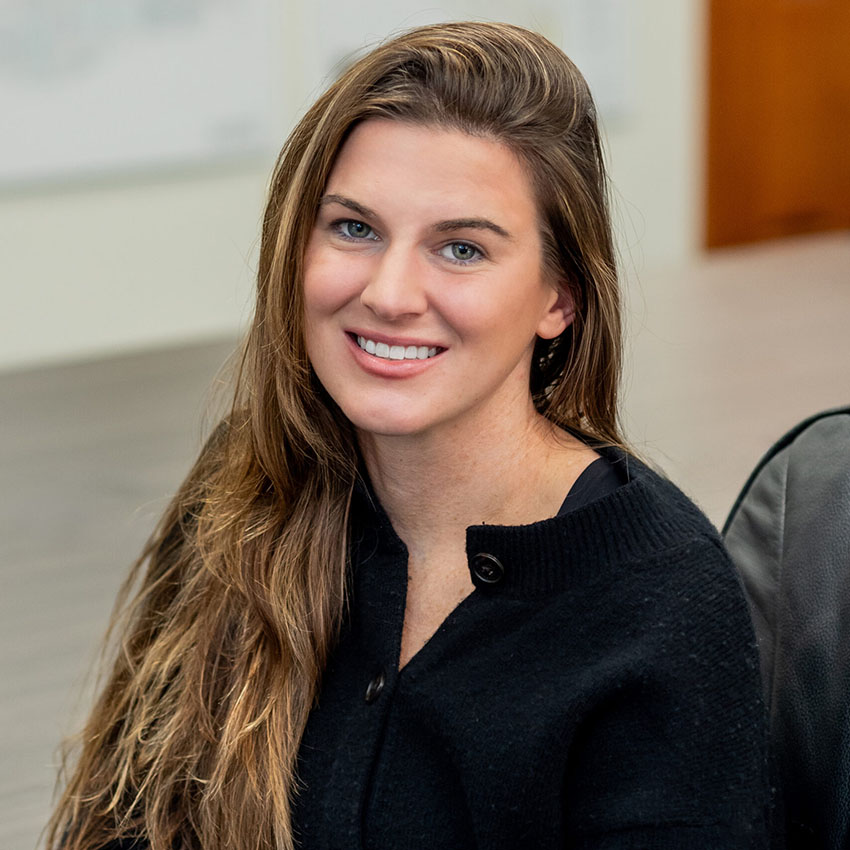
Rosie Lewis is the Corporate Marketing Manager at The Lewis Group of Companies. A Claremont native who enjoys hiking, yoga, and developing her green thumb, Rosie also appreciates quality alone time.