
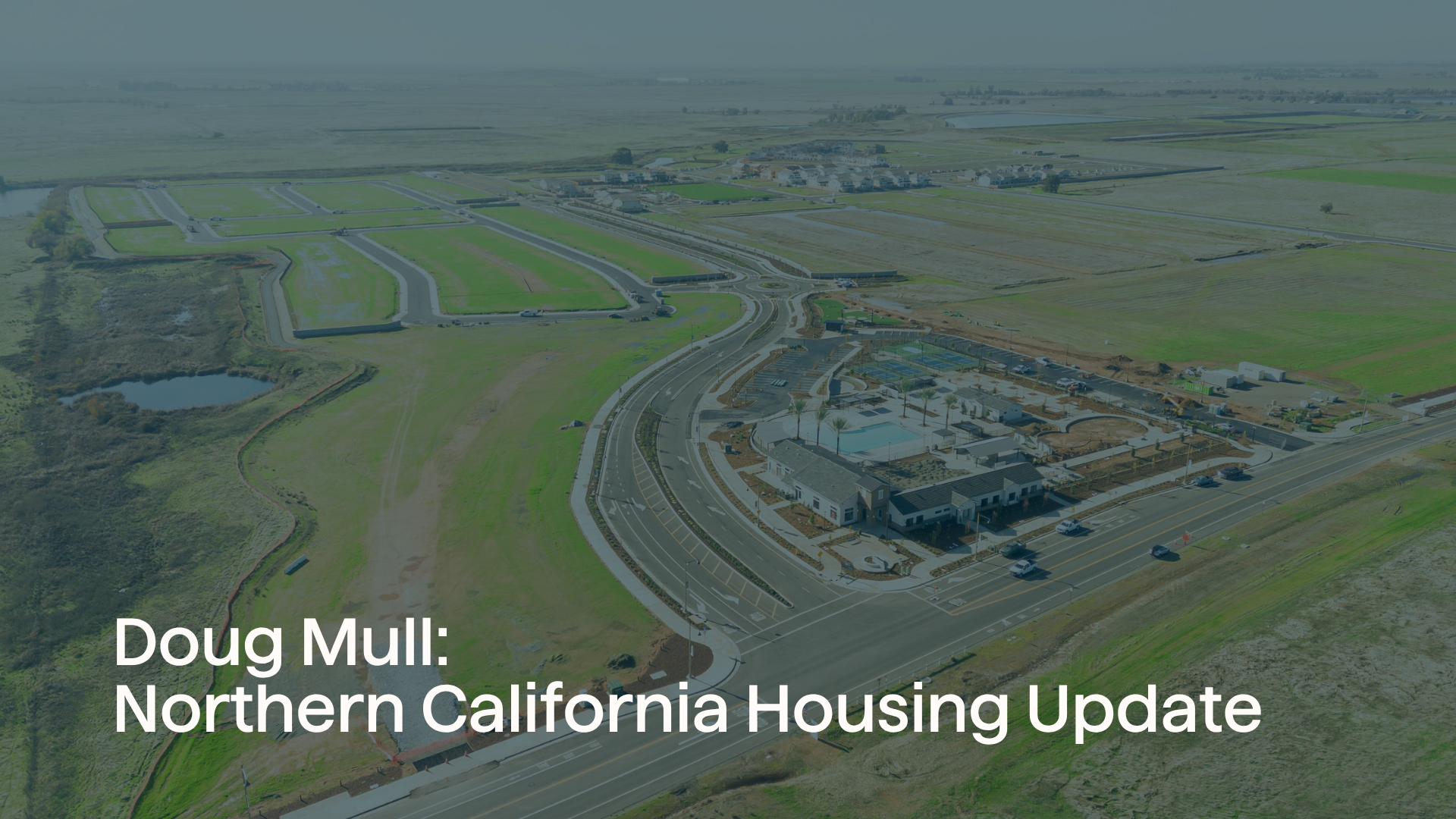
While Lewis remains active in master planned community development, where do you see the strongest opportunities today?
Master planned communities remain a core part of our long-term business strategy, but the near-term housing market presents meaningful challenges for for-sale residential development. Elevated interest rates, affordability constraints, construction costs, and buyer uncertainty have slowed absorption, increased risk for builders, and significantly reduced demand for for-sale housing lots.
As a result, much of the most immediate opportunity in Northern California has shifted toward rental housing. Rental product types are addressing a growing need for attainable housing while offering greater flexibility for households that are unable or unwilling to buy a home in today’s market. Lewis has maintained solid occupancy and pricing power across both its existing portfolio and its new Independence brand, which serves residents seeking an amenitized community experience as an alternative to traditional multifamily living or conventional single-family home rental.
How has housing demand changed over the last few years?
Housing demand remains strong across Northern California, but the form of that demand has evolved. Many households that would traditionally become homebuyers are remaining renters longer because of affordability barriers, elevated mortgage rates, and limited inventory.
Population growth, household formation, and proximity to major employment centers continue to support long-term housing demand. California has historically needed roughly 180,000 new homes annually to keep pace with demand, but production has often averaged fewer than 80,000 homes per year – leaving a recurring annual shortfall of approximately 100,000 units. Today, statewide estimates of California’s cumulative housing deficit commonly range from roughly 2.5 million to 3.5 million homes, depending on the methodology used. However, the growing gap between incomes and home prices is supporting demand for rental housing in nearly every major Northern California market.
How is housing design evolving?
Residents are placing greater emphasis on flexibility, convenience, and community amenities. Multifamily and build-to-rent communities increasingly incorporate co-working spaces, fitness facilities, outdoor gathering areas, walking trails, and integrated neighborhood services.
Cities are also encouraging more mixed-use, walkable environments that combine housing, retail, employment, and recreation. Well-designed communities that create a strong sense of place and reduce dependence on the automobile continue to generate the strongest interest from both residents and municipalities.
What's the biggest misconception about housing development?
A common misconception is that developers determine how much housing gets built solely based on market demand. In reality, housing production is shaped by a complex combination of entitlement approvals, infrastructure availability, environmental requirements, construction costs, financing conditions, and local policy decisions.
While demand is clearly present throughout Northern California, the ability to deliver new housing depends on successfully navigating these factors and assembling projects that are economically feasible, approvable, and responsive to community needs.

Christina supports the Northern California Planned Communities team with marketing strategy and market research efforts across the region. She enjoys residential real estate marketing, developing strategies that support successful communities, and spending time with her family and friends.